Assemblage Art vs. Collage: What's the Difference?
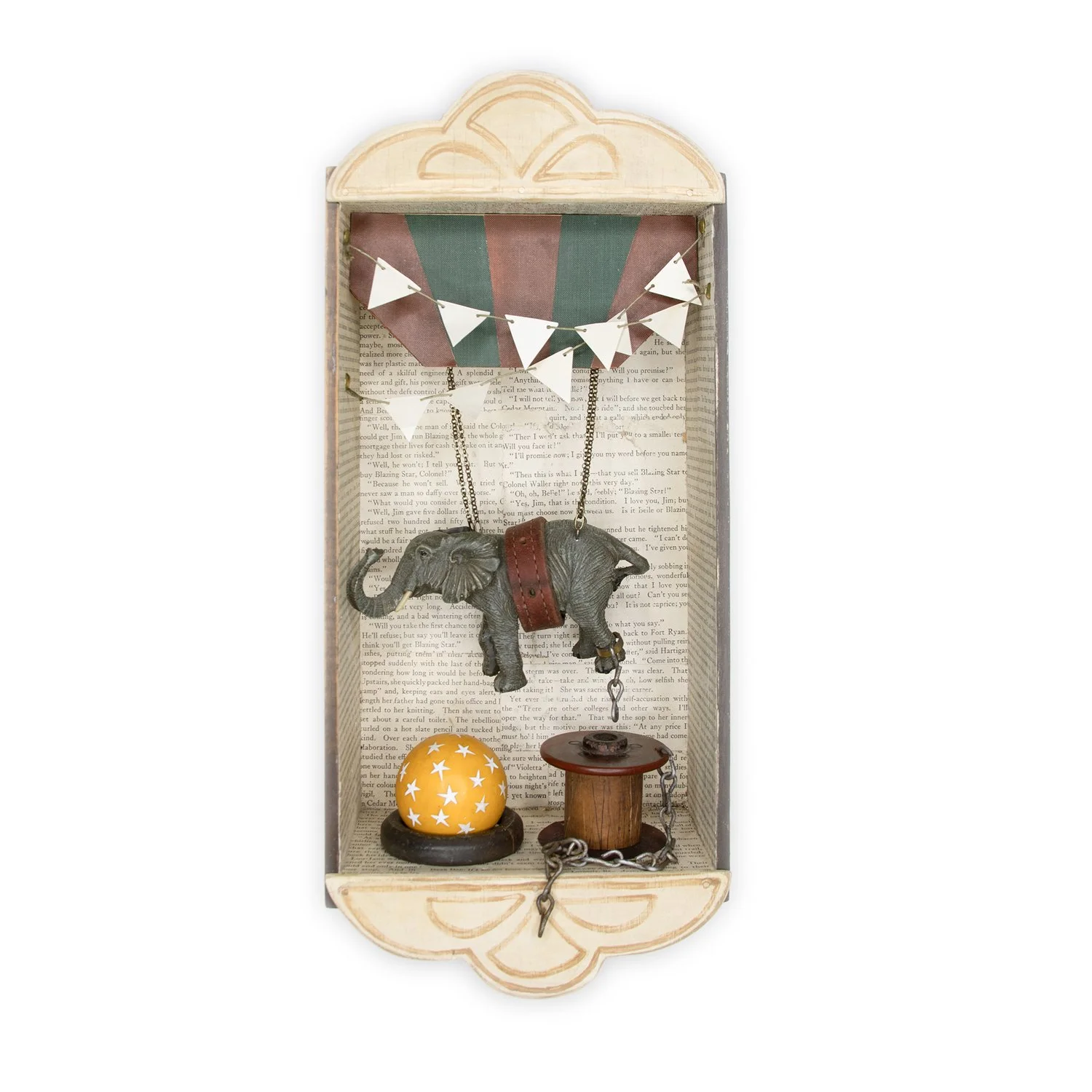
Three-dimensional artwork created from found objects and salvaged materials.
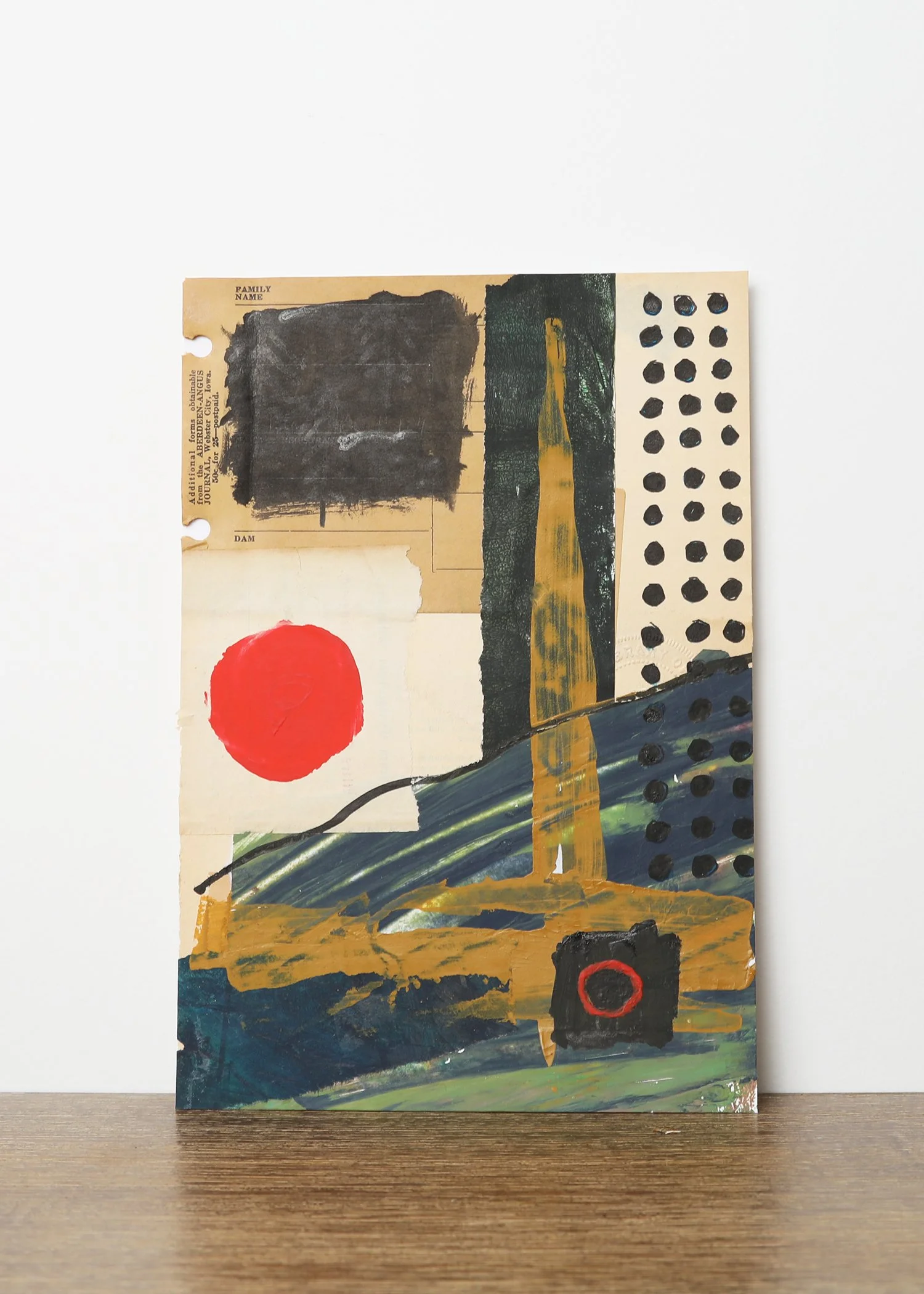
Two-dimensional artwork created by layering paper, photographs, and other flat materials.
Although assemblage art and collage are closely related, there is one important difference: collage is typically two-dimensional, while assemblage art is three-dimensional. A collage is created by arranging and layering flat materials such as paper, photographs, book pages, fabric, or other ephemera onto a surface. Assemblage art takes that idea a step further by incorporating physical objects that project from the surface and occupy space.
Both forms of art often rely on found materials, vintage elements, and unexpected combinations to create meaning. In my own work, collage allows me to explore relationships between images, texture, and composition, while assemblage introduces the added dimension of objects carrying their own histories and stories. A worn photograph, a rusty piece of hardware, or a discarded treasure can become an important part of the conversation.
Whether working in collage or assemblage, I am drawn to the same idea: finding beauty and meaning in things that might otherwise be overlooked. Both mediums invite us to see familiar objects in new ways and discover the stories hidden within them.
New to assemblage art? Read my article What Is Assemblage Art? A Beginner's Guide with Examples.