What Is Assemblage Art? A Beginner's Guide with Examples
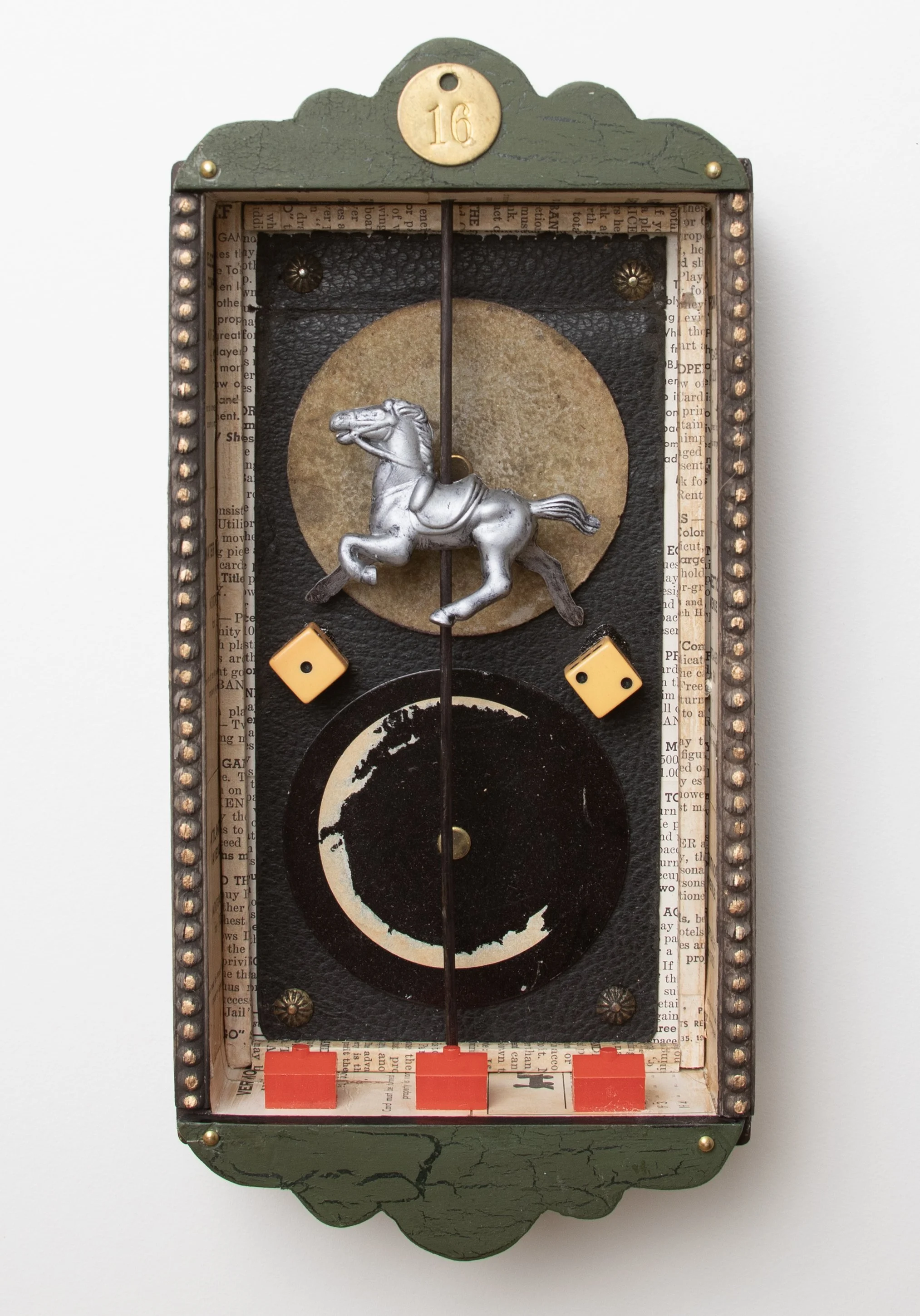
Assemblage art is the practice of creating artwork from found, collected, or repurposed objects. Unlike traditional painting or drawing, assemblage artists work with physical materials—old photographs, vintage hardware, broken toys, discarded tools, natural elements, and countless other objects that carry a history of their own. These items are combined into a new composition that transforms ordinary things into something unexpected and meaningful.
Often described as a three-dimensional cousin of collage, assemblage art invites viewers to look beyond an object's original purpose and consider the stories it might tell. Some artists create highly narrative works, while others focus on texture, symbolism, memory, or abstraction. In every case, assemblage art is rooted in the idea that overlooked objects can be given a second life through creativity.
For me, assemblage is a way of gathering fragments of the past and arranging them into new conversations. The objects I collect—forgotten photographs, salvaged materials, and small treasures discovered at antique shops and flea markets—become part of a larger story. What was once discarded gains new life as art.